How Much Does a Website Cost in Egypt? 2025 Pricing Guide
Transparent breakdown of website development costs in Egypt. From landing pages to e-commerce sites to custom web applications. What affects pricing and how to budget for your project.
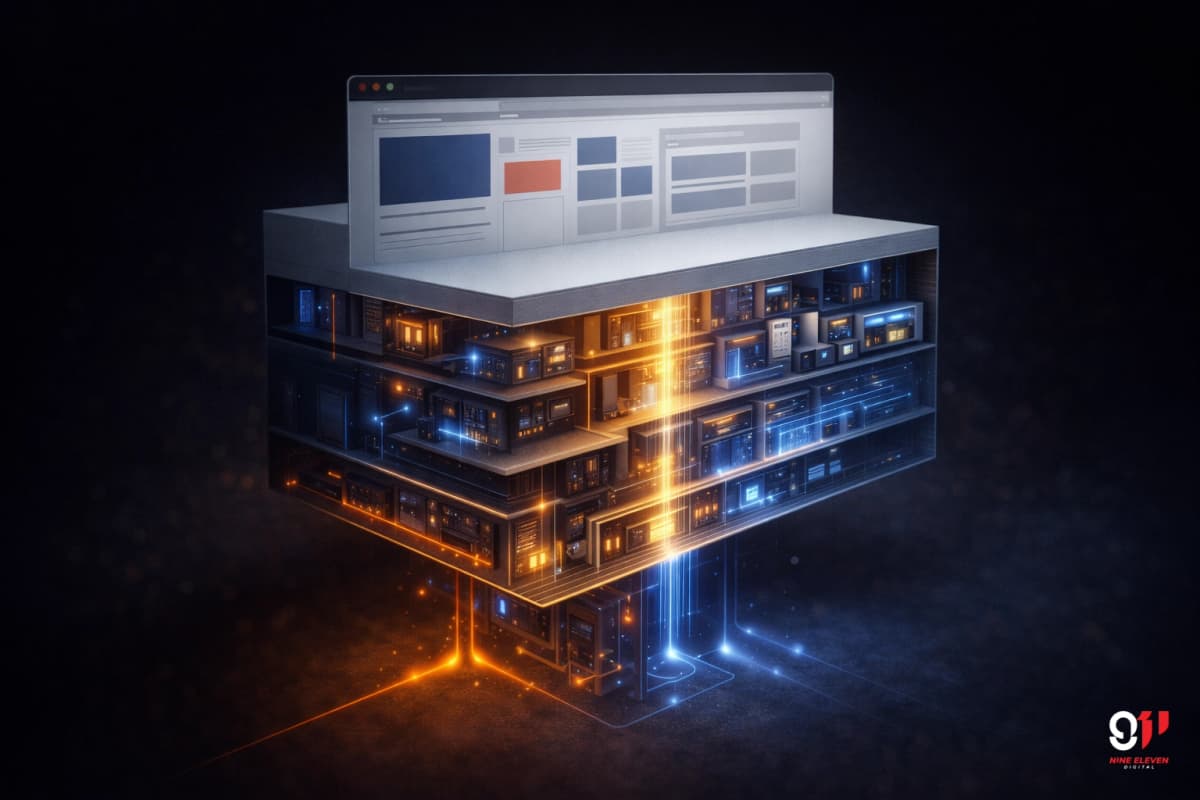
Website Types & Price Ranges
Understanding the cost of building a website in Egypt in 2025 starts with recognizing that prices vary dramatically based on the type of website you need, the complexity of features required, and the level of professionalism you expect from the final product. Landing pages, which are single-page websites designed for specific marketing campaigns, product launches, or lead generation, typically cost between EGP 15,000 and EGP 40,000 when built by a professional agency in Egypt. These pages include responsive design, contact forms, analytics integration, and basic SEO optimization. Corporate websites that represent your brand with multiple pages covering your services, team, portfolio, and company information range from EGP 40,000 to EGP 120,000, with pricing influenced by the number of pages, design complexity, content management system requirements, and whether bilingual Arabic-English support is needed. E-commerce stores capable of handling product catalogs, shopping carts, secure payment processing, and order management range from EGP 80,000 to EGP 300,000, reflecting the significant technical complexity of building a reliable online selling platform with payment gateway integration, inventory management, and shipping logistics. Custom web applications, including SaaS platforms, booking systems, customer portals, and enterprise dashboards, command the highest investment at EGP 150,000 to EGP 500,000 or more, depending on the sophistication of business logic, user roles, integrations, and performance requirements. These price ranges assume you are working with established professional agencies that provide project management, quality assurance, post-launch support, and documented code. Freelance developers may charge 40 to 60 percent less than these figures, but businesses should carefully weigh the trade-offs in code quality, project reliability, ongoing support availability, and long-term maintainability before choosing the lowest-cost option.
What Affects Website Pricing
Several critical factors influence website pricing in Egypt, and understanding them helps you evaluate proposals accurately, avoid hidden costs, and make informed decisions when comparing quotes from different agencies and developers. Design complexity is often the single largest variable — a fully custom design created from scratch by a professional UI/UX designer costs significantly more than adapting a premium template, though custom designs deliver stronger brand differentiation and better user experiences tailored specifically to your target audience. The number of pages directly impacts both design and development time, with each unique page template requiring layout design, responsive adaptation for mobile and tablet, content population, and quality assurance testing across multiple browsers and devices. Bilingual Arabic-English support is a particularly significant cost factor in the Egyptian and MENA market, adding 30 to 50 percent to content creation costs due to the need for professional translation, right-to-left layout adaptation, Arabic typography optimization, and separate SEO strategies for each language. Payment gateway integration for Egyptian e-commerce websites requires connecting with services like Fawry, Paymob, and Accept, each with its own API specifications, security requirements, and testing procedures. Content management system (CMS) selection affects both initial development costs and long-term maintenance expenses — WordPress offers the lowest entry point, while custom CMS solutions or enterprise platforms like Drupal provide greater flexibility at higher cost. SEO optimization should be built into the website from the foundation, encompassing technical SEO, structured data markup, page speed optimization, and Arabic keyword strategy. Mobile responsiveness is no longer optional, as over 70 percent of Egyptian internet traffic comes from mobile devices. Third-party integrations including shipping APIs from Bosta or Aramex, CRM connections to platforms like HubSpot or Odoo, and ERP synchronization for inventory and accounting can add 20 to 40 percent to the total project cost depending on complexity and the number of systems being connected.
How to Budget for Your Project
Budgeting accurately for your website project in Egypt requires looking beyond the initial development quote to account for the full spectrum of ongoing costs that keep your website running, secure, and effective throughout its lifecycle. Web hosting is a recurring annual expense ranging from EGP 2,000 to EGP 12,000 per year depending on whether you choose shared hosting suitable for small websites, VPS hosting for medium-traffic sites requiring better performance, or dedicated cloud hosting on platforms like AWS or Google Cloud for high-traffic e-commerce stores and web applications that demand reliability and scalability. SSL certificates, which are essential for website security and search engine rankings, are now frequently included with quality hosting packages at no additional cost, though premium extended validation certificates for e-commerce sites may carry separate fees. Domain name registration costs between EGP 500 and EGP 2,000 per year depending on whether you register a .com, .com.eg, or other top-level domain, with the .com.eg domain lending additional local credibility for Egyptian businesses targeting domestic customers. Website maintenance and updates represent a critical ongoing investment that many businesses underestimate — budget 15 to 20 percent of your original build cost annually for security patches, plugin and framework updates, performance optimization, bug fixes, and minor feature enhancements that keep your website current and functioning properly. Content updates including new product listings, blog posts, seasonal promotions, and page revisions require either an internal content team or a retainer arrangement with your agency. A practical and reliable budgeting rule of thumb for Egyptian businesses is to plan for 130 percent of the quoted development cost to cover all first-year expenses comprehensively, including development, hosting setup, domain registration, SSL, initial content creation, analytics configuration, and a maintenance buffer for post-launch adjustments. This approach prevents the common scenario where businesses invest heavily in building a beautiful website but then lack the budget to properly host, maintain, and update it, leading to degraded performance, security vulnerabilities, and declining search engine rankings over time.
Ready to Transform Your Business?
Let's turn these insights into action. Our team of experts is ready to help you grow.